

Governance, compliance and risk management
We introduce clear rules, responsibilities and controls — so you spot risks early, and compliance doesn't depend on individuals.
Through business standardization, we help companies establish clear operating rules, control mechanisms and risk management models in line with regulatory and internal organizational requirements.
Clear rules and compliance
Modern business requires clearly defined processes, regulatory compliance and systematic risk management. Companies that establish a stable governance and compliance model gain greater control over the business, reduce operational risks and respond more easily to the demands of the market and regulators.
Where risks arise
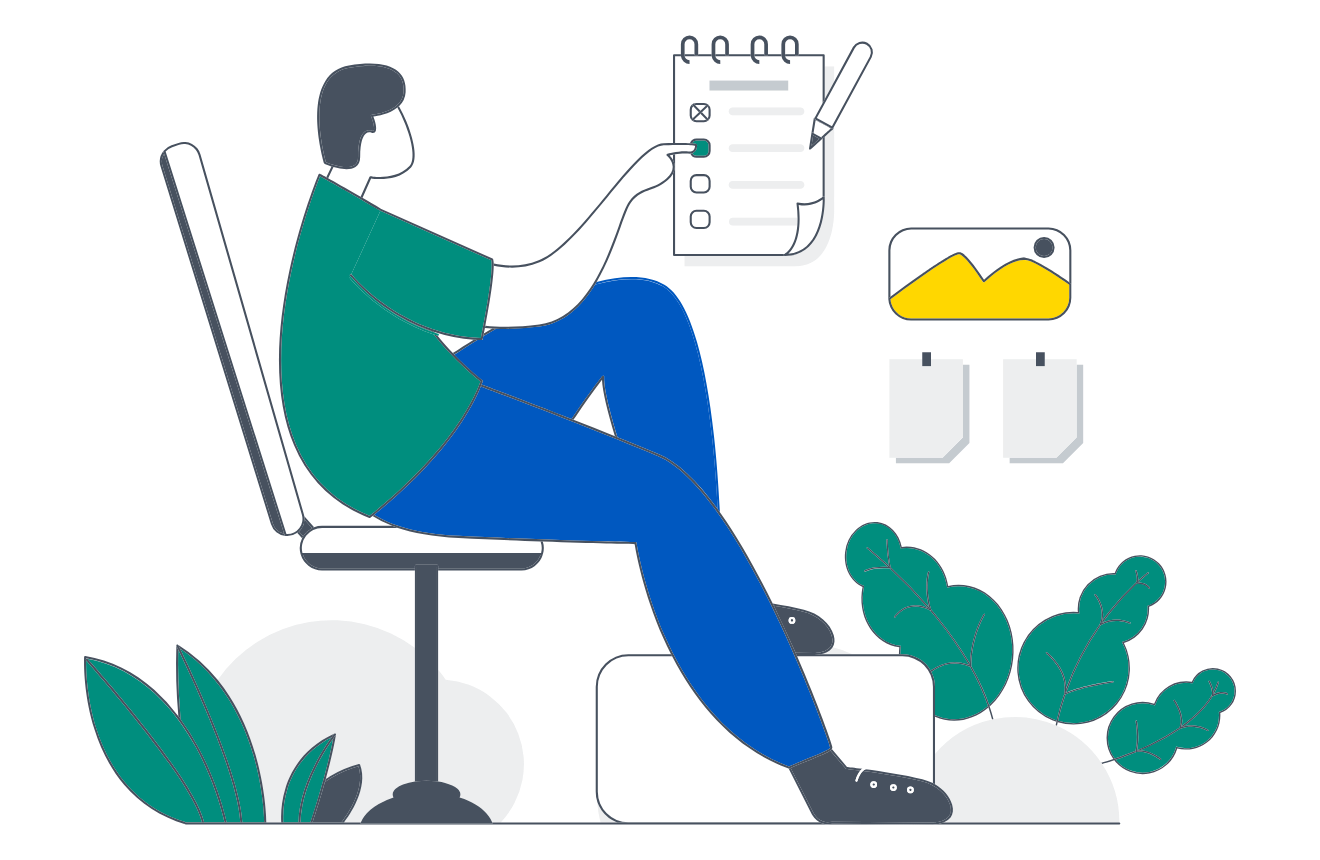
In practice, many organizations face inconsistent procedures, poorly defined responsibilities and difficulty monitoring compliance and control mechanisms, which can harm business efficiency and security.
Our approach
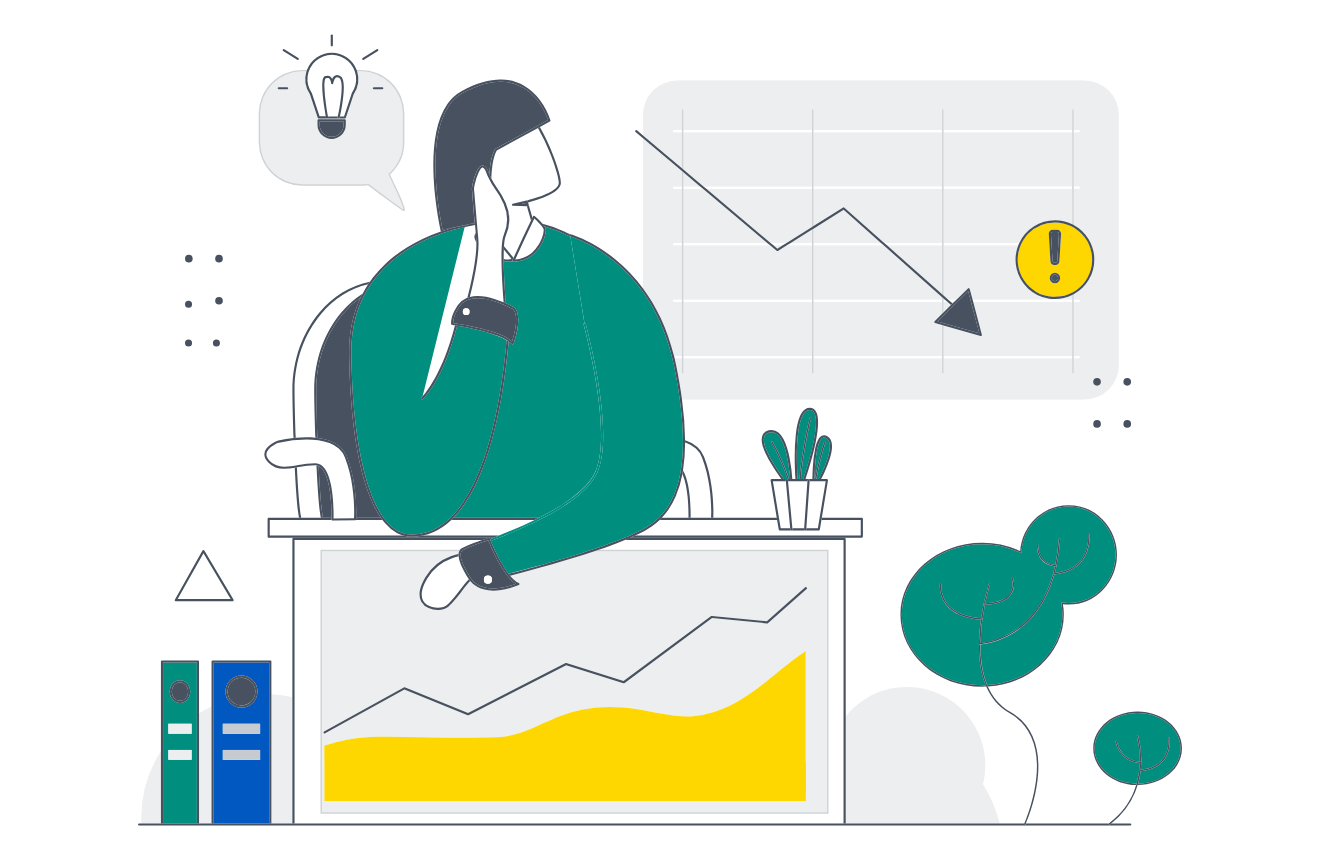
Our approach covers regulatory compliance, audit and control mechanisms, risk management, and the standardization of processes and documentation, with the aim of establishing a stable, transparent and sustainable business system.

Start managing risk
across key areas of work
Regulatory compliance
We help companies bring their business in line with legal, regulatory and industry requirements through clearly defined processes and procedures.
Modern business means complying with a large number of legal, regulatory and industry requirements that keep changing and becoming more complex. Non-compliance can lead to fines, operational problems and higher risk.
To keep you compliant, we help companies define processes, procedures and operating models in line with applicable regulations and industry standards. The goal is an organized, sustainable system that provides more security and control over the business.
A well-designed compliance approach helps companies reduce risk, increase business transparency and be better prepared for audits, regulatory inspections and further business growth.
Audit and control mechanisms
We establish audit and control models that enable compliance monitoring, risk identification and business process improvement.
Without clearly defined control mechanisms and regular process monitoring, companies struggle to identify operational risks, non-compliance and potential business problems.
With audit and control mechanisms, we establish a structured approach to monitoring compliance, process quality and business efficiency. We define control models, procedures and ways of monitoring key activities so companies have more transparency and better control over the business.
Control mechanisms enable timely recognition of problems and continuous process improvement, while reducing operational and regulatory risks.
Risk management
We define models for identifying, assessing and managing business and operational risks to improve business stability.
Every business carries operational, organizational and regulatory risks that can affect the company's stability and efficiency. Without a structured approach to risk management, organizations struggle to identify and control potential problems in time.
We build models for identifying, assessing and monitoring key business risks in line with the specifics of the organization and industry. The goal is a system that enables proactive management of potential challenges and greater business security.
Proper risk management gives companies greater stability, better decision-making and better preparedness for change and unexpected situations.
Process standardization
We standardize business processes and ways of working to ensure consistency, quality and greater operational efficiency.
Misaligned processes and different ways of working within an organization often lead to errors, lower efficiency and weaker control over the business.
Through process standardization, we establish a single, organized way of working that ensures consistency, quality and greater operational efficiency. We define procedures, activity flows and working rules in line with the organization's business goals and requirements.
Standardized processes make the business easier to manage, enable better quality control and provide a stable basis for further development and digitalization.
Documentation and policies
We create business documentation, procedures and policies that enable a clearly defined, compliant way of working.
Clearly defined documentation and business policies are the foundation of an organized, transparent and compliant business. Without structured documentation, responsibilities are often unclear and ways of working inconsistent.
By creating documentation and business policies, we establish clear rules, procedures and operating models that ensure processes are applied consistently across the whole organization. The goal is for companies to have a clear, sustainable documentation system aligned with regulatory and internal requirements.
Well-designed documentation improves business organization, makes process control easier and is an important foundation for compliance, audits and the company's further development.
Business benefits

 Clearly defined responsibilities
Precisely defined roles, responsibilities and decision-making rules enable more efficient management and greater accountability across the organization.
Better control and transparency
Clearly defined governance models and control mechanisms enable better business management.
Reduced operational risk
Identifying and managing risks contributes to greater business stability.
A stable foundation for growth and development
Governance and compliance models support the company's long-term sustainability and development.
A standardized, organized way of working
Processes and documentation ensure consistency and quality in day-to-day operations.
Stronger compliance
Processes and procedures are aligned with regulatory and internal requirements.
This service is for companies that
- are required to comply with regulatory or industry requirements
- want greater control over processes and business risks
- lack clearly defined procedures, policies and responsibilities
- want to improve audit and control mechanisms
- are planning business standardization and organizational development
- want a stable, sustainable business management system
Frequently asked questions about governance, compliance and risk
What is the difference between governance, compliance and risk management?
Governance determines how a company is run: who decides, who is responsible for what and by which rules. Compliance ensures that the business complies with laws, regulations, standards and internal rules. Risk management identifies what could threaten the business and how to prevent or mitigate it. Together they are often called GRC.
Which regulations do you help us comply with?
With the legal and regulatory requirements that apply to your industry, as well as the requirements of standards and customers. Every project starts with a review of the obligations that apply to the company, because they differ from industry to industry. When it comes to ISO standards, we handle implementation and certification through standardization and certification.
What does a risk assessment look like?
First we go through the key processes and identify what could go wrong in them. Then we assess the likelihood and consequences of each risk and build a risk register in which every risk has an owner, a measure and a deadline. The register is updated regularly, because risks change too.
Do we need an internal audit?
For most companies the law doesn't require it as a separate department, but controls and periodic reviews are needed by every company that wants to know its rules actually work. We can set up control mechanisms and an internal audit plan, or carry out the audits for you.
Is this only for large or regulated companies?
No. Banks, insurers and the public sector have the strictest requirements, but clear rules, responsibilities and controls benefit every growing company, because they reduce dependence on individuals and the errors that happen when nobody is in charge.
How long does it take to set up a governance and compliance model?
It depends on the size of the company, the number of processes and the obligations the business needs to comply with. We work in phases, starting with the highest-risk areas, and you get an exact plan and timeline after the initial analysis.
You'll be in good company
Leading companies have already trusted us with their most important projects.









Contact us
Let’s talk about the next steps. Get in touch and together we will find the best opportunities for your business.